
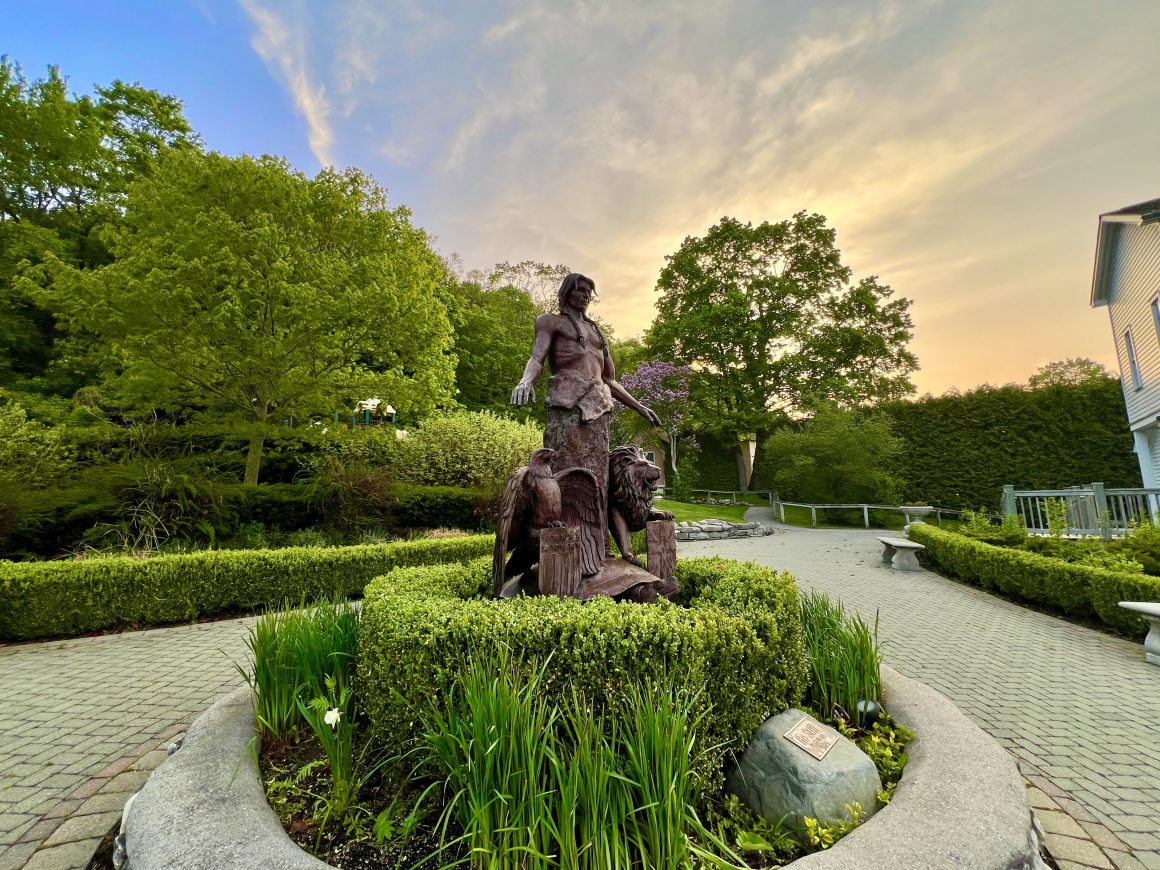
7 Places to Learn About Mackinac Island’s Native American History
When most people think of Mackinac Island, they picture horse-drawn carriages, delicious fudge, beautiful Victorian architecture, and breathtaking views of the Straits of Mackinac. But did you know that Mackinac Island’s history stretches back thousands of years, long before it became the popular vacation destination we know today?
For generations, Mackinac Island has been an important gathering place for Native American communities throughout the Great Lakes region. The island holds deep cultural and spiritual significance for the Anishinaabek people, including the Odawa, Ojibwe, and Potawatomi.
In fact, the island’s name is connected to the Anishinaabe word Michilimackinac, often interpreted as referring to the Great Turtle, a connection that remains an important part of the island’s identity.
Today, visitors have several opportunities to learn about this fascinating part of Mackinac Island’s history. From museums and historic sites to interpretive trails, here are some places we recommend adding to your itinerary!

This post contains affiliate links. If you make a purchase through these links, we may earn a small commission at no additional cost to you. This helps support our website and allows us to continue creating free travel content. As always, all opinions are our own. Thank you for your support!
Please note: Some museums and historic attractions operate seasonally. Be sure to check their current hours and operating dates before planning your visit.
1. Native American Cultural History Trail

One of the best ways to learn about Mackinac Island’s Native American history while enjoying the island’s natural beauty is by exploring the Native American Cultural History Trail.
The trail features six interpretive stops located along the island’s perimeter, sharing stories about the history, culture, and contributions of the Anishinaabe people.
Each stop offers visitors an opportunity to learn more about the people who have called the Straits of Mackinac region home for thousands of years and the island’s importance in Native American history.
Our Tip: If you’re planning to bicycle around Mackinac Island, and you rented bikes, be sure to allow extra time to stop and read the interpretive signs. It’s a wonderful way to combine sightseeing with learning about the island’s history!
2. Biddle House & Mackinac Island Native American Museum
Located along historic Market Street, Biddle House is one of the most interesting places to learn about Native American life on Mackinac Island during the fur trade era.
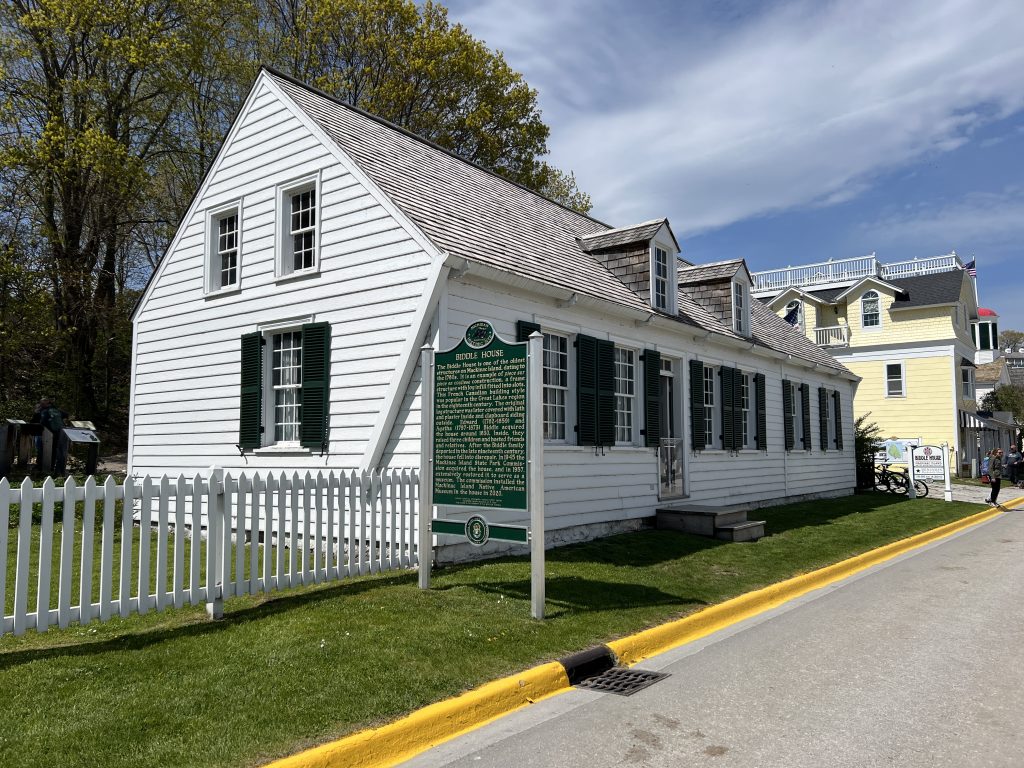
The historic home was once occupied by Edward and Agatha Biddle. Agatha was an Anishinaabe woman who played an important role in the island’s community during the 1800s.
Today, Biddle House is also home to the Mackinac Island Native American Museum, where visitors can learn about Agatha’s life, the experiences of Indigenous families during the fur trade era, and the traditions and contributions of Native American communities.
The museum offers a different perspective on Mackinac Island’s history, highlighting stories that visitors might not encounter while exploring some of the island’s other historic attractions.
Our Tip: Biddle House is conveniently located downtown, making it an easy stop while exploring Market Street and the island’s historic buildings. Admission is included with your Fort Mackinac admission.
3. Native American Burial Ground at Ste. Anne’s Cemetery
Mackinac Island has long been considered a sacred place by Native American communities, and one location that reflects this significance is the Native American burial ground near Ste. Anne’s Cemetery.
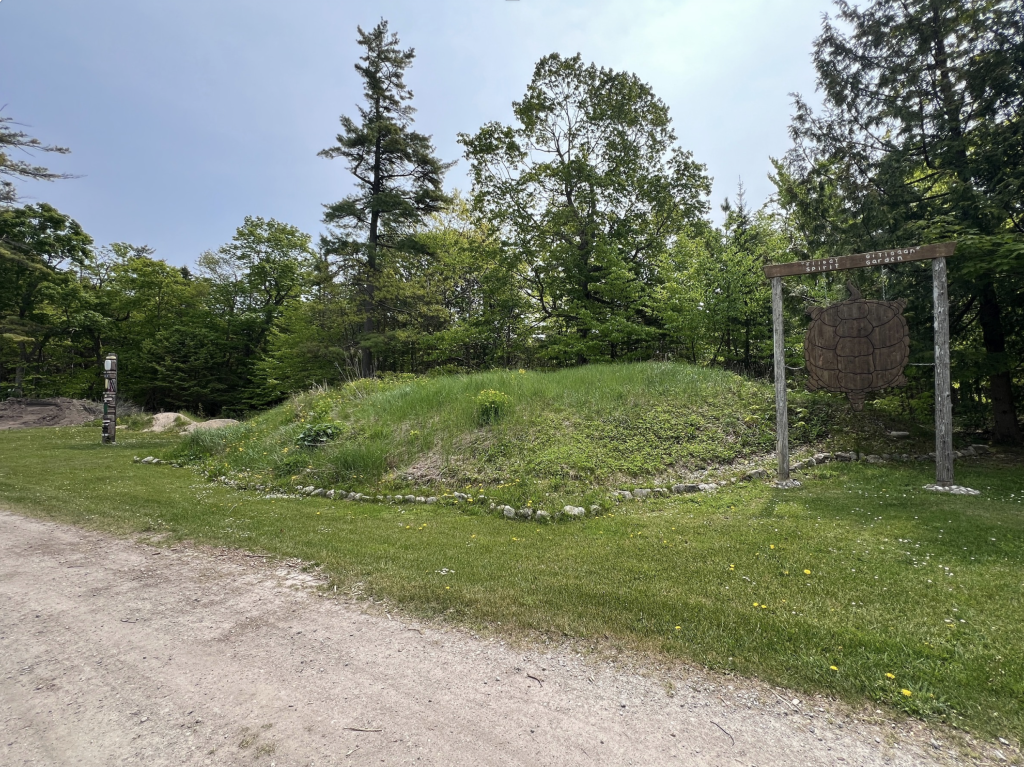
This site includes a turtle-shaped burial mound and a memorial and totem pole honoring Indigenous ancestors. The turtle is especially meaningful because of Mackinac Island’s connection to the Great Turtle in Anishinaabek traditions.
In 2011, human remains were discovered during excavation work at the former McNally Cottage property on Main Street. The discovery revealed a historic 19th-century Catholic burial site where Native American parishioners had been laid to rest. The in 2012, the remains were respectfully reburied at Ste. Anne’s Cemetery, where the turtle-shaped memorial now honors those individuals and their connection to Mackinac Island’s history.
Unlike some of the island’s busier attractions, this is a quiet place for reflection and an opportunity to recognize the generations of Indigenous people whose history is connected to Mackinac Island.
Our Tip: Remember that this is a burial and memorial site. Please explore respectfully and remain on designated paths.
4. Fort Mackinac
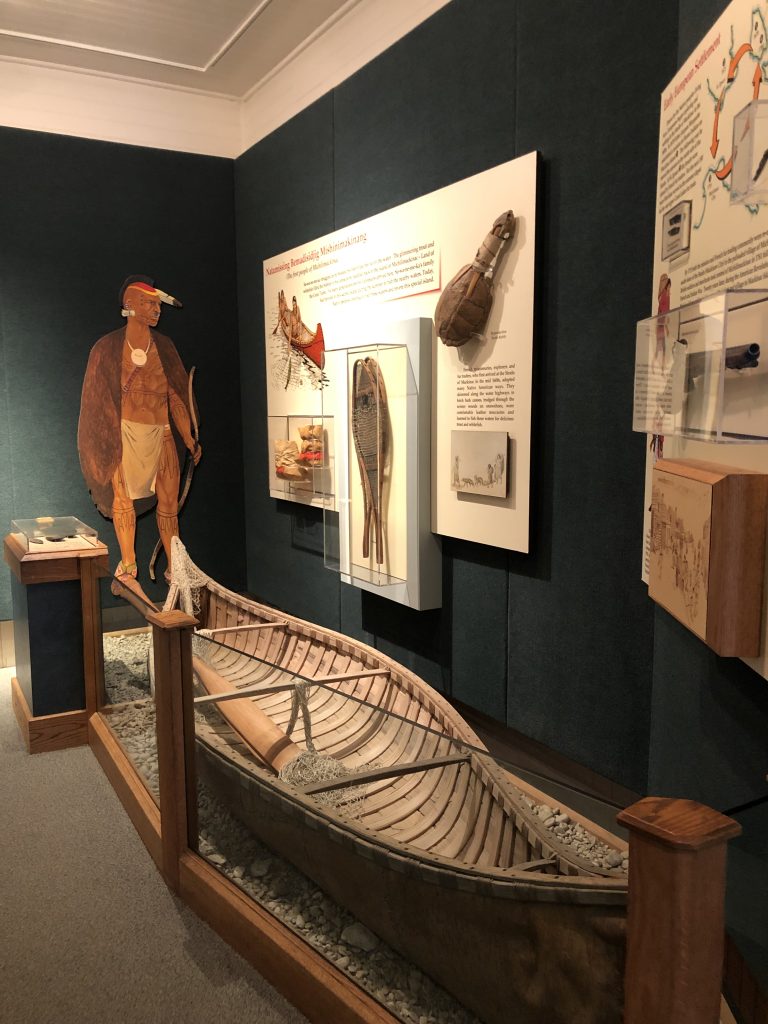
Fort Mackinac is one of the island’s most recognizable historic attractions, and while it’s best known for its military history and incredible views, it’s also a place where visitors can learn about the important role Native Americans played in the history of the Straits of Mackinac.
Long before the fort was constructed, the region was an important center for Indigenous communities, trade, and travel. During the fur trade era, Native American traders played an essential role in the region’s economy. Indigenous nations were also important participants in the conflicts that shaped the Great Lakes, including the War of 1812.
Exploring Fort Mackinac provides an opportunity to better understand the relationships between Native American communities, European traders, and the military forces that occupied the region.
Our Tip: Allow plenty of time to explore the fort’s exhibits and historic buildings. There is so much more to discover here than just the views!
5. Round Island Passage Light
Here’s something you may have noticed while riding the ferry to Mackinac Island and wondered what it was!
The Round Island Passage Light, located in the waters near Mackinac Island, features bronze relief artwork depicting Native Americans.
These artistic details recognize the significance of the Straits of Mackinac region as an important gathering place for Indigenous peoples throughout the Great Lakes.
Although the passage light isn’t an attraction you can visit, it’s an interesting piece of history that many visitors pass without realizing its significance.

Our Tip: Keep an eye out for the Round Island Passage Light during your ferry ride. It’s a great reminder that Mackinac Island’s history extends far beyond the island itself!
6. The Richard & Jane Manoogian Mackinac Art Museum
Did you know that the Richard & Jane Manoogian Mackinac Art Museum is another wonderful place to learn about Mackinac Island’s Native American heritage?
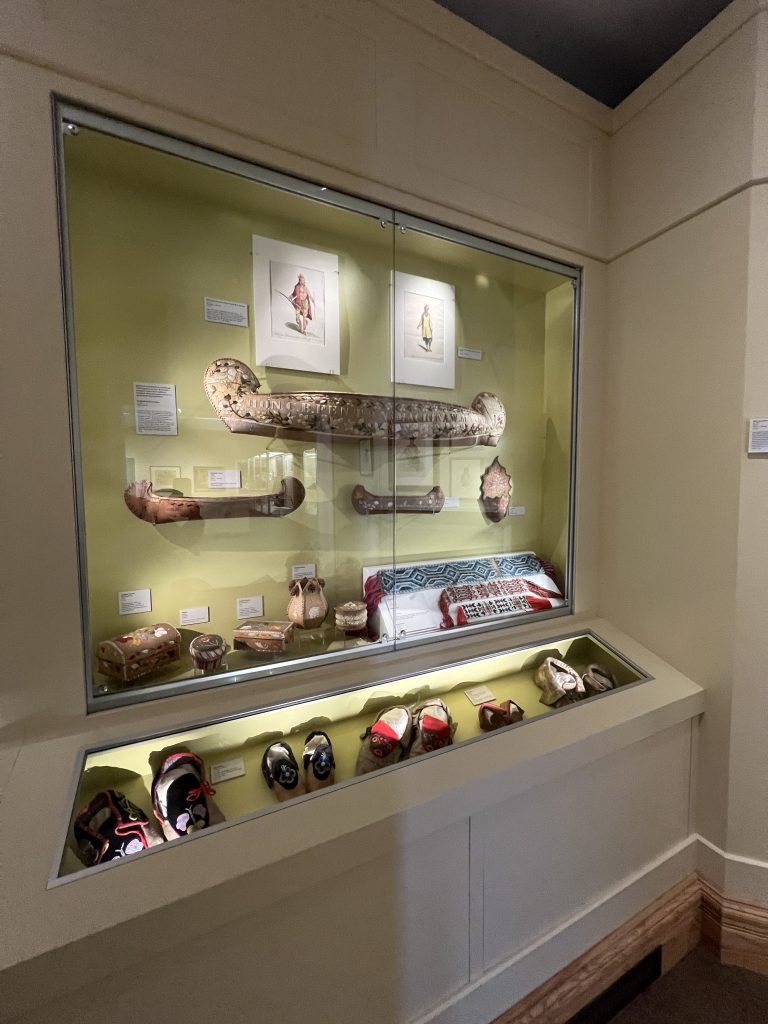
Located next to Marquette Park, the museum features a fascinating collection of artwork and historical artifacts that tell the story of Mackinac Island through the centuries.
On the first floor, visitors will find a gallery dedicated to Native American art, including beautifully hand-beaded garments and a piece of pottery dating all the way back to 800–1000 A.D.! It provides a glimpse into the lives of Indigenous people who lived on Mackinac Island more than a thousand years ago.
Our Tip: Don’t overlook this museum when exploring Mackinac Island’s historic attractions! In addition to its Native American collection, you’ll find historic paintings, photographs, and other artwork showcasing the island’s history.
7. Bonus Stop: Museum of Ojibwa Culture in St. Ignace
While this final location isn’t actually on Mackinac Island, it’s definitely worth mentioning!
If you’re traveling through St. Ignace on your way to or from Mackinac Island, consider visiting the Museum of Ojibwa Culture.
The museum shares the history, culture, and traditions of the Ojibwe people and explores the important role Indigenous communities have played in the Straits of Mackinac region. Visitors can learn about Native American history through exhibits and cultural displays that provide a deeper understanding of the people who have lived in this region for generations.
It’s a wonderful addition to a Mackinac Island vacation, especially for families interested in incorporating educational experiences into their travels.
Our Tip: If you’re taking the ferry from St. Ignace, consider adding some extra time to your travel plans to explore the museum.
Discover More of Mackinac Island’s History
One of the things we love most about Mackinac Island is that no matter how many times we visit, there is always something new to learn! While the island is famous for its beautiful scenery, its Native American heritage is an important part of the story that deserves to be recognized and remembered.
These locations offer opportunities to learn about the people, traditions, and events that helped shape Mackinac Island throughout its history. They also remind us that Native American history isn’t simply something from the distant past. Indigenous communities continue to maintain meaningful connections to Mackinac Island and the surrounding region today.
Whether you’re visiting for the first time or have been coming to the island for years, we encourage you to explore some of these historic places during your next visit.
Have you visited any of these locations? If so, let us know in the comments! We’d love to hear about your experience!

You May Also Like

Everything to Know About Downtown Harbor Suites & Penthouse Mackinac Island

Grab Your Essential Mackinac Island Travel Guide eBook TODAY!
